
Mulch: The Easiest Win for Tired Garden Beds
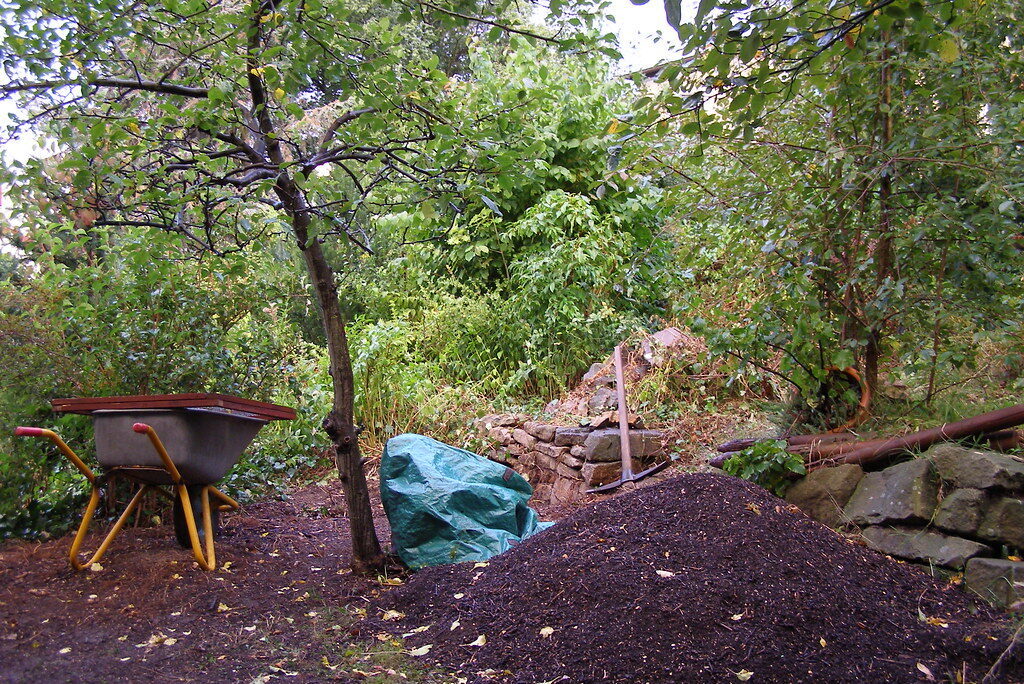
If your garden beds could only have one improvement this year, make it mulch. A proper layer of bark or wood mulch does three jobs at once: it smothers weed seedlings, it holds soil moisture through Canterbury’s dry spells, and it slowly breaks down into the organic matter our often-stony soils are hungry for. No other single job pays back so fast.
Weed first, then mulch
Mulch suppresses new weeds — it doesn’t kill established ones. Perennial weeds with deep roots will push straight through a fresh layer and laugh at you. So step one is a thorough weed: pull the beds clean, roots and all, and edge the bed lines so the mulch has a crisp boundary to sit inside. If hand-weeding the whole bed sounds like a weekend you’d rather keep, a garden clean-up visit gets it to a mulch-ready state in one go.
How thick is thick enough?
For bark or wood chip, aim for 75 to 100 millimetres after settling — deep enough to block light from weed seeds, shallow enough that water still soaks through. Anything under 50mm is decorative rather than functional; the weeds will tell you so within weeks.
Keep mulch pulled back from plant stems and tree trunks — a doughnut, not a volcano. Mulch piled against bark holds moisture where it shouldn’t and invites rot. A hand’s width of clear space around each stem is the rule.
Which mulch for Christchurch beds?
Bark nuggets look tidy, last well and suit ornamental beds and borders. Arborist wood chip is cheaper (sometimes free from local tree crews) and brilliant for large areas, though it breaks down faster. Pea straw is excellent around vegetables but needs topping up often. Avoid fine sawdust or shavings as a surface layer — they can form a water-repellent crust.
One Canterbury-specific note: our soils are often free-draining and stony, so moisture retention is the prize. Chunky organic mulches that knit together and resist blowing away in a nor’wester earn their keep here.
Water before you cover
A mistake we see often: mulch laid onto bone-dry soil. Dry mulch on dry soil can shed light rain for weeks. Soak the beds thoroughly first, lay the mulch onto damp soil, then water again to settle it. From then on, watering is more effective — less evaporates, and more reaches the roots.
Top up yearly
Mulch is not fit-and-forget. It breaks down — that’s the point — so plan a top-up every year, usually in spring. A 20mm refresh each spring keeps the weed barrier intact and the soil biology fed. Fold it into a regular maintenance round and it just happens: weed, feed, mulch, done.
Want the beds sorted without lifting a barrow yourself? Get in touch or find Barney’s Gardens on Google Maps — quotes are free and there’s no obligation.